Oct 30, 2026
Snagging Inspections: How They Catch the Finishing Problems You'd Miss
You've waited months, maybe years, for your new place. Then handover day comes, you do a quick walk-through, and everything looks great. Fresh paint, shiny floors, clean fittings.
Planning a handover inspection? See our property snagging in Dubai service, or our home snagging company in Dubai page.
Then you move in. A week later, you notice the bedroom door scrapes against the frame, there's a hollow-sounding tile by the bathroom, and one wall looks patchy when the afternoon light hits it. None of it is dramatic, but all of it is annoying, and all of it is easier to fix before you accept the property. That's where a snagging inspection in Dubai earns its keep.
So, What Exactly Is Snagging?
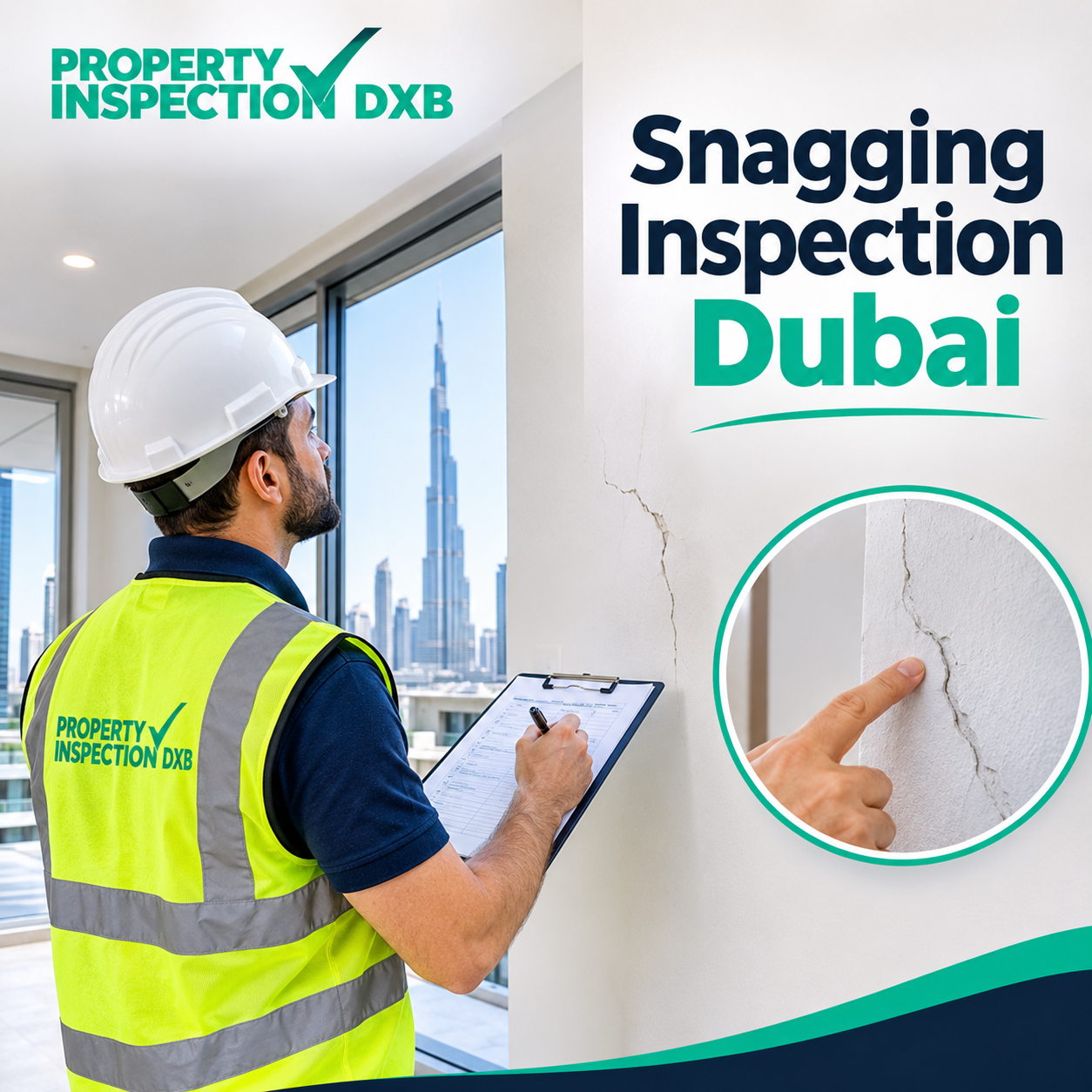
Snagging is a detailed check of a property for visible defects, unfinished work, and sloppy finishing. It's not a structural survey. Instead of asking whether the building will stand up, it asks whether your home has been finished properly: do the doors close, are the tiles level, do the taps work?
The findings go into a written report, which you can then hand to the developer as a list of things to put right.
What Kinds of Problems Turn Up?
Several. Here are the ones that come up most often.
Paint and wall finishes
Patchy coverage, brush marks, mismatched colours and rough patches are common. Inspectors also look for cracks, dents and uneven plastering on walls and ceilings. From a distance, they're easy to miss, but they show up fast once your furniture is in and the lights are on.
Tiles and flooring
Loose tiles, uneven surfaces, wobbly grout lines and scratched flooring all count. Some are purely cosmetic. Others, like a tile that's lifting, can turn into a real nuisance later.
Doors and windows
A door that rubs, a cabinet that won't shut properly, a window that sticks or won't lock: you'd notice these within a day of living there, but not necessarily during a ten-minute viewing.
Fixtures and fittings
Loose handles, badly fitted cabinets, damaged switches and half-finished bathroom fittings fall into this group. Inspectors will also check accessible plumbing for visible leaks or anything that isn't working as it should.
Why It Matters for Buyers in Dubai
Dubai has everything from apartments in brand-new towers to villas in freshly completed communities. Handover often comes with a bit of pressure, and it's hard to inspect every corner while you're being walked through the unit on a schedule.
A proper snagging inspection slows things down in a useful way. It helps you to:
- Spot visible defects before you formally accept the property
- Put your concerns in writing, with photos, so there's no back-and-forth about what was said
- Work out which problems need fixing first
- Avoid missing small things in the chaos of handover day
- Make a more confident decision about the condition of what you're buying
One honest caveat: no inspection finds everything. Hidden or inaccessible problems can stay hidden. What a good inspection does is thoroughly cover what can be seen and tested, and put it on record.
What Actually Happens During an Inspection?
It's methodical. The inspector goes room by room instead of doing a quick scan, and the process usually looks like this:
- Visual checks of walls, ceilings, floors, tiles, doors, windows and fittings.
- Functional testing of accessible electrical points, plumbing fixtures and other installed items.
- Photos of each defect, with a note on what it is and where.
- Prioritising, so the serious or urgent items don't get lost among the cosmetic ones.
- A digital report you can forward straight to the developer.
That report is useful well beyond handover day. It gives you something concrete to tick off as repairs get done, so you're not relying on memory or verbal promises.
The Bottom Line
Minor finishing issues play a major role in determining the comfort of your home. A snagging inspection in Dubai gives you an organised, documented picture of what needs fixing, so you can accept your property knowing what you're getting.
Frequently Asked Questions
Can snagging pick up poor workmanship?
Yes, as long as it's visible. That includes uneven finishes, damaged tiles, misaligned fittings and unfinished work. If the inspector spots signs of something more serious, they'll usually flag it for a closer look by a specialist.
Should I book it before signing the handover documents?
If you can, yes. It lets you record defects and raise them with the developer as part of the handover. Check the procedures and deadlines first, though, so the timing works.
What should the report include?
Photos, a description of each defect, its location, and some indication of how serious it is. That's what makes it easy to share and to track repairs afterwards.
Is it worth it for investors?
Definitely. If you're planning to rent the property out, a report helps you find and fix visible problems before tenants move in, and it gives you a clear view of the unit's condition from day one.
Can an inspection guarantee my property has no defects?
No, and anyone who says otherwise isn't being straight with you. Hidden or hard-to-reach problems can slip through. What you get is a documented record of the visible issues and a solid starting point if anything else needs investigating.