Oct 31, 2026
How to Follow Up on Unresolved Snags Before Your Defects Liability Period Ends
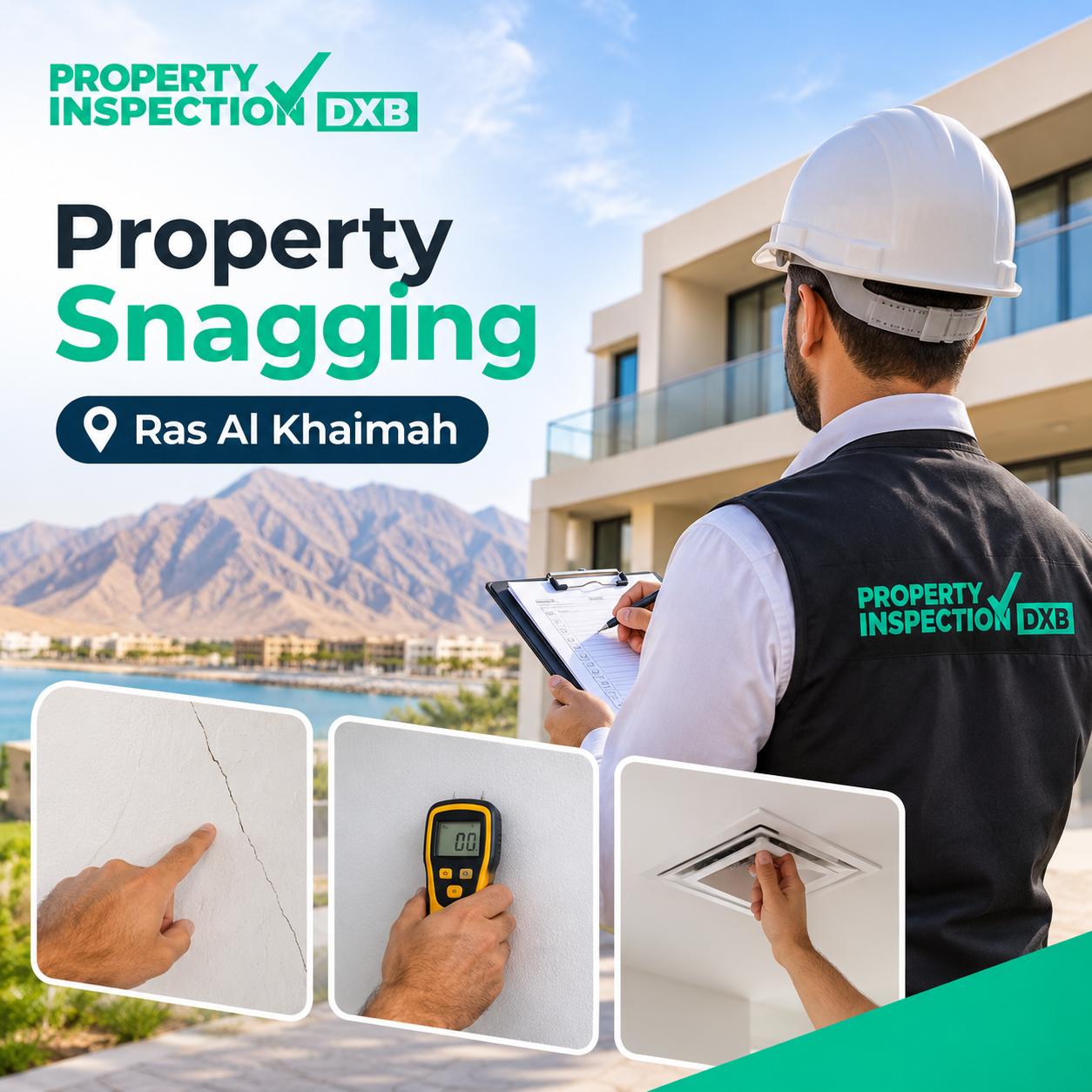
The keys you received came with a promise. However, that promise is not always fulfilled. Almost all new homes in the UAE come with a defects liability period, a certain time when the owner must notify the builder about any defects in the property. Unfortunately, most owners do not get their issues fixed in that time frame. If you are going through property snagging in Ras Al Khaimah, then timing is often the most critical element in the process. Keep reading this blog till the end to know how to follow up on unresolved snags before the liability period ends.
Planning a handover inspection? See our property snagging in Dubai service, or our home snagging company in Dubai page.
Snagging 101: Two Definitions Every New Owner Needs
What Counts as a Snag?
A snag refers to any defect that does not meet the requirements of the specified finish. Some examples of snags include:
- Hairline cracks in the walls
- A door that sticks
- Uneven grout
- Low water pressure
- A socket that doesn't work
Generally, snags in themselves could be unimportant defects, but together they influence the overall comfort of your home.
What Is the Defects Liability Period?
The period of liability for defects refers to the time after completion of the project when the builder is liable to conduct repairs at no cost to the buyer. In the UAE, this period is usually one year for non-structural items but can be confirmed from the sale and purchase agreement.
The Snag Follow-Up Playbook: Six Moves Before Your Defects Liability Period Expires
1. Mark Your Defects Liability Deadline
It's easy to make a guess here. You need to find the date of the handover from either your completion notice or handover certificate. Afterward, reading the clause about defects is the next step. When that is done, entering the date into your phone calendar with reminders at 90, 60, and 30 days will allow you to have the timeline covered.
2. Create a Snag List That Speaks for Itself
Have a spreadsheet with your snag list that contains information about each snag, e.g., the place where it is present, when the issue was reported, and its status. Add your photos and videos to the log, and it will make your complaints stronger and impossible to ignore.
3. Put Every Snag Request in Writing
While you might think that using your phone is easier and quicker, it does not leave any proof behind. So, try to send written requests via email or a developer's website and record a reference number.
4. Request a Joint Visit to Re-Inspect
If the builder claims that the defects have been repaired, don’t just take their word for it. Arrange for a joint inspection that includes you or your inspector to verify that the repairs were correctly made against the log. Sign your approval only on repairs that have truly been completed, and note anything that is still outstanding.
5. Take Stubborn Issues to Higher Authorities
If your builder is unwilling to fix the problems, take the issue to higher management such as the handover team. If it is still unresolved, contact the local authority to report the issue. Make sure to provide all necessary documents, as they will help expedite the process.
6. Make Use of the Last Month of the Defects Liability Period
During your last month of the defects liability period, notify the builder in writing about the existing defects and make sure to add the dates of reporting them. This will help you defend your claim even if the repairs are done after this period, as you have reported the defects on time.
Why Snagging Experts Win the Race Against the Clock
They Identify Problems That Others Would Miss
Expert inspectors use heat-detecting devices, moisture-measuring equipment, and lists of hundreds of inspection points. They discover problems that a casual inspection would miss, giving you a complete list of defects before time runs out.
Their Inspection Reports Are Totally Convincing
Having a well-prepared report with pictures, location data, and technical explanations is hard to dispute for any builder. The report speaks their language, takes away the guesswork, and speeds up the repair process.
The Final Walkthrough
Having a defects liability period in place is reassuring, but it only works if you take advantage of it. It is important to know just how long you have before the deadline arrives. Make sure to maintain detailed records and notify the relevant parties in writing. Most importantly, all issues should be raised officially in advance of the deadline. Taking your time with the process is key, though if it makes it all too tedious and complicated, you can always look for professional assistance when it comes to property snagging in Ras Al Khaimah. Get the job done by an experienced inspector without having to deal with the troublesome process on your own.
FAQs
Am I able to notify about a new defect in the final week of the defect report period?
Yes. Any defect made known to the developer in writing before the defect report period is over will have to be recorded. The best option is to submit the notice with photos and request the reference number from the developer on the very same day of the reporting.
What shall I do if the builder just covers the defect with a paint layer?
You should make a note of it in your records as not resolved, attach photos, and ask for proper repair work.
Should I be at home when the repair work is conducted?
Not necessarily; however, it may be advantageous. If you cannot be present, ask someone to take your place or your building inspector to be present and document the work.
Is it worth carrying out a second snagging inspection towards the end of the liability period?
Most of the time, yes. Certain defects like leakage or settlement cracks might only become visible months later due to continued usage and exposure to heat and moisture. This is why a pre-expiry inspection is done to help detect these issues in time.
What happens to the snags I did not report?
Once the period is over, any unreported common defects generally become your own responsibility.