

Feb 18, 2026
How Property Snagging Prevents Construction Defects from Costing You?
You should feel content rather than unsure on the day you get the keys to your new house. However, minor construction issues are frequently hidden in plain sight beneath freshly painted walls and glossy tiles. What initially seems to be perfect might ultimately end up in repair costs, safety issues, and countless developer follow-ups. Property snagging in Abu Dhabi becomes crucial at this point.
What Is Property Snagging and Why Does It Matter?
Property snagging is an in-depth assessment that is done prior to the final handover. It finds flaws, unfinished edges, and noncompliance that must be addressed. Snagging looks into plumbing connections, electrical systems, structural components, alignment, sealing, and finishing quality, unlike a quick walkthrough.
This technique is essential if you wish to protect your investment in markets with a lot of new projects. Rapid building schedules and high demand may make it more likely that some details may be missed. A systematic snagging inspection guarantees that issues are fixed by the developer before you become liable.
How Construction Defects Turn Expensive?
Minor flaws rarely remain minor. Water seepage may result from a window that is not properly sealed. Inadequate leveling may be indicated by uneven flooring. Deeper framing errors may be reflected in misaligned doors. The performance of appliances and safety can be jeopardized by electrical irregularities.
Coordination of repairs and the burden of proof frequently become challenging if these flaws are discovered after transfer. Certain things may occasionally be covered by warranties, but delays and disagreements are common. Further negotiations and costs are avoided by fixing flaws prior to acceptance.
The Financial Logic Behind Snagging
Consider property snagging in Abu Dhabi as proactive cost management. You can create a clear record that requires the developer to address issues within the fault liability period by formally reporting defects.
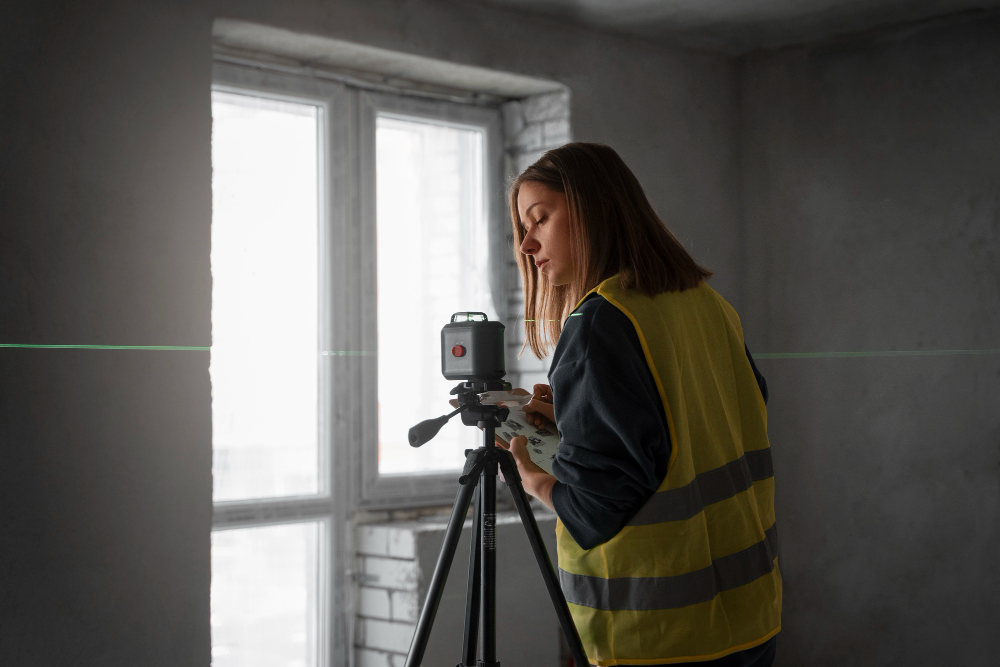
Professional inspectors in Abu Dhabi employ thermal cameras, moisture meters, and compliance checklists that are in line with local building codes while snagging properties. This technical method strengthens your case and reduces subjectivity if corrective action is necessary.
When Should You Conduct Property Snagging?
It is best to wait till construction is finished, but before signing the final acceptance. This guarantees that the developer is still in charge of fixing errors. Snagging can still uncover hidden workmanship flaws or maintenance gaps in resale houses.
Your leverage is reduced if you wait until after moving in. It is preserved by early inspection.
Final Takeaway
A new home is more than just a purchase. It's a long-term commitment. Snagging property guarantees that commitment starts on a strong foundation. You can protect your money, time, and peace of mind by spotting and recording construction issues prior to acceptance.
Take a moment to review the final documents before signing them. A thorough examination now can save money on errors later.
Frequently Asked Questions
What does a property snagging report typically include?
A professional snagging report lists visible defects, unfinished tasks, compliance concerns, and photographic evidence. It categorizes issues by urgency and system type, giving developers clear instructions for rectification before handover.
Is property snagging in Abu Dhabi necessary for new apartments?
Yes. Even premium developments can contain finishing inconsistencies or installation errors. Property snagging in Abu Dhabi ensures new apartments meet contractual specifications and local building standards before ownership transfer.
Can I conduct snagging myself instead of hiring a professional?
You can identify visible flaws, but professionals use technical tools and regulatory knowledge. Their expertise uncovers hidden moisture issues, electrical inconsistencies, and structural irregularities that are easy to overlook.
How long does a snagging inspection usually take?
Inspection duration depends on property size and complexity. Apartments may take a few hours, while villas can require a full day to examine structural elements, mechanical systems, and finishing details thoroughly.
Does snagging delay the handover process?
It may extend the handover slightly if repairs are required. However, resolving issues before occupancy prevents larger disruptions and expenses later, making the short wait a practical decision.

